Documentary Children of the Dead
A place where history and oblivion meet death and life at the same time. Al Arafa in Cairo is one of Egypt’s oldest cemeteries still in use, and it functions as a city within a city. In other words, tombs become homes, alleys become streets, and rituals and routines overlap until the boundary between the living and the dead feels porous—and strangely normal.
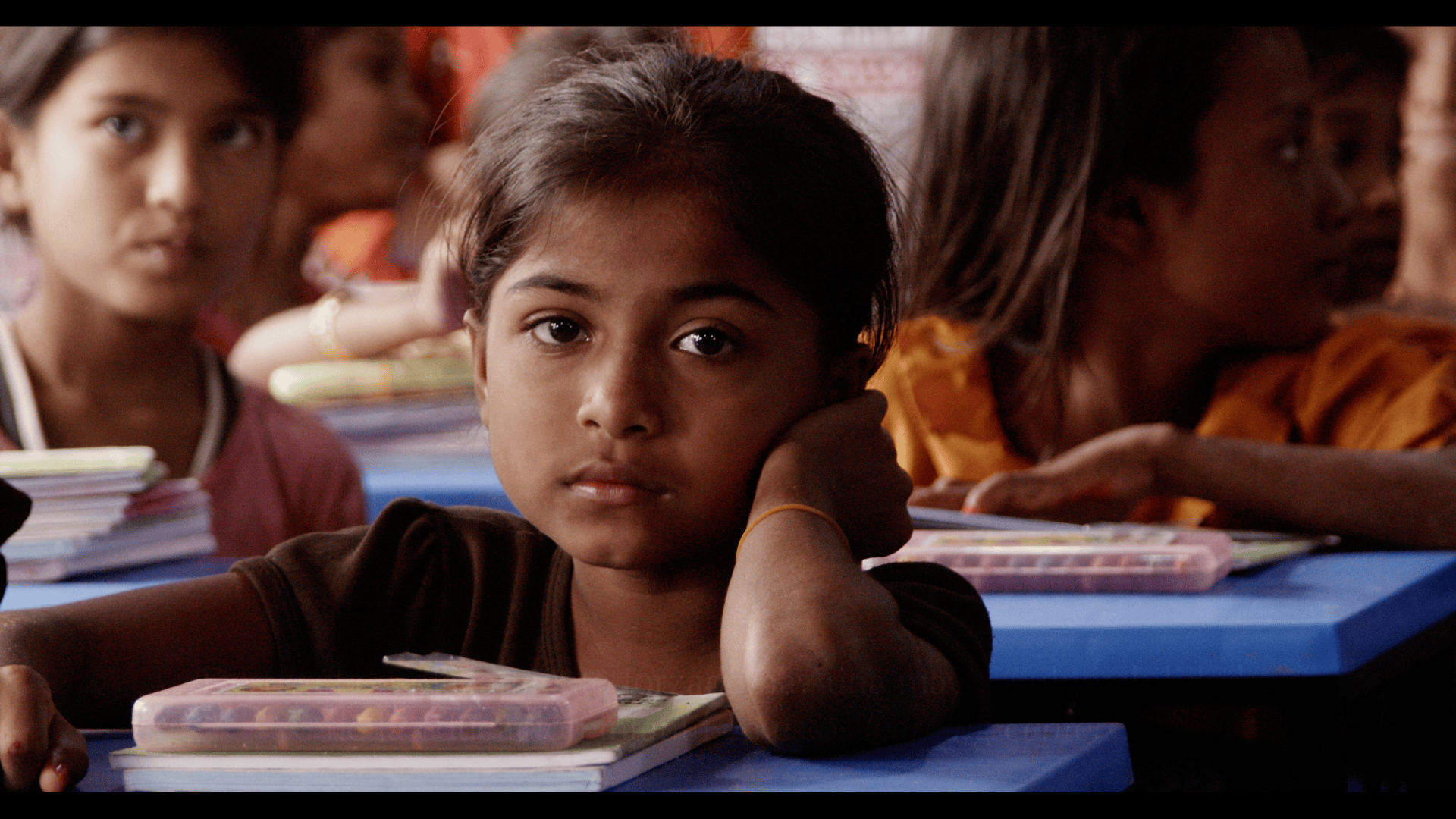
Documentary Children of the Dead moves through this landscape guided by the documentary’s director. However, the film does not follow him as a character. Instead, it stays with the people who live here: families and children whose everyday life unfolds beside the cemetery, shaped by it, and inseparable from it. For that reason, the perspective remains intimate rather than explanatory.
Meanwhile, the film keeps its focus close, not to describe Al Arafa from above, but to inhabit it from inside. As a result, we witness how childhood forms among graves, how play coexists with mourning, and how tenderness survives beside hard facts: scarcity, social stigma, and the quiet weight of history. In fact, life does not happen despite the cemetery. Life happens through it.
Moreover, this documentary is built around proximity and respect. The camera observes with patience and care, allowing small gestures to carry meaning. For example, a hand brushing dust from stone, a joke in the middle of silence, or a look that holds both defiance and fatigue. At the same time, the sound design stays grounded: footsteps, distant prayers, and ordinary voices. Because of this, the everyday becomes the narrative, and the extraordinary is revealed without forcing it.
Ultimately, Documentary Children of the Dead is not a film about death. Rather, it is a film about the agreements people make with reality in order to keep going. It is about how memory and disappearance can share the same ground. In particular, it shows how a child learns what it means to belong to a place the world misunderstands. Even so, dignity remains present—fragile, sometimes quiet, but never absent, even where outsiders expect only darkness.
In short, in Al Arafa, history does not end; it persists. Oblivion does not win; it negotiates. Therefore, in that tension, the film finds its truth.